The $2.5 Billion Bet
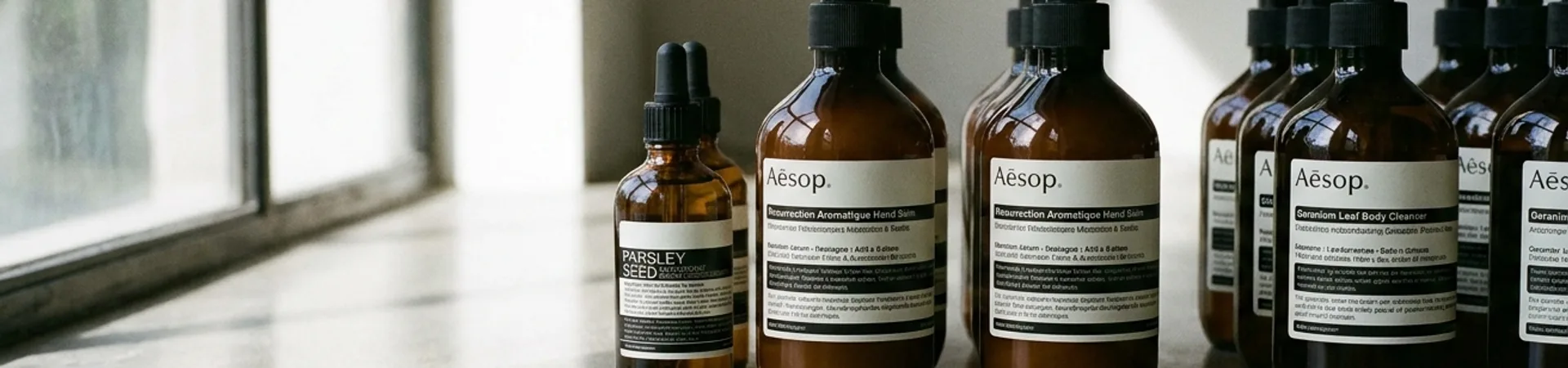
When L'Oréal acquired Aesop in 2023 for $2.5 billion, the brand world held its breath. Aesop had spent three decades building something rare: a skincare brand that operated more like a design studio. The amber bottles. The literary references on every wall. The stores that felt like they belonged in an architecture magazine, not a mall.
The question wasn't whether L'Oréal would change Aesop. It was how fast.
Surface Level: Nothing Moved
Walk into an Aesop store today and you won't notice a difference. The typography is the same. The packaging hasn't changed. The store associates still talk about ingredients like sommeliers talk about terroir. The brand's visual identity remains untouched, which is exactly what L'Oréal promised.
Below the Surface: Everything Shifted
Distribution expanded aggressively. New markets in Southeast Asia and the Middle East opened within 18 months. Product launch cadence increased from roughly 4 SKUs per year to nearly 8. Pricing crept up 12-15% across the core range, repositioning the brand from accessible luxury to true prestige. The biggest tell: Aesop's first fragrance collection launched with a media spend that would have been unthinkable under the previous ownership structure.
The Brand Integrity Test
Here's the tension every acquired cult brand faces: you can't grow at conglomerate pace without diluting what made you special. Aesop's strength was never about the product alone. It was the restraint. The deliberate pace. The feeling that every decision was made by someone who cared more about craft than quarterly earnings. That tension is now visible if you know where to look.
What This Means for Brand Builders
The Aesop acquisition is a case study in controlled acceleration. L'Oréal is doing what conglomerates do: extracting value from distribution and scale. But they're doing it while preserving the visual wrapper that made the brand desirable in the first place. The question is whether that wrapper holds without the philosophy behind it. Two years in, the answer is: it depends on who's paying attention.