From Lockups to Systems
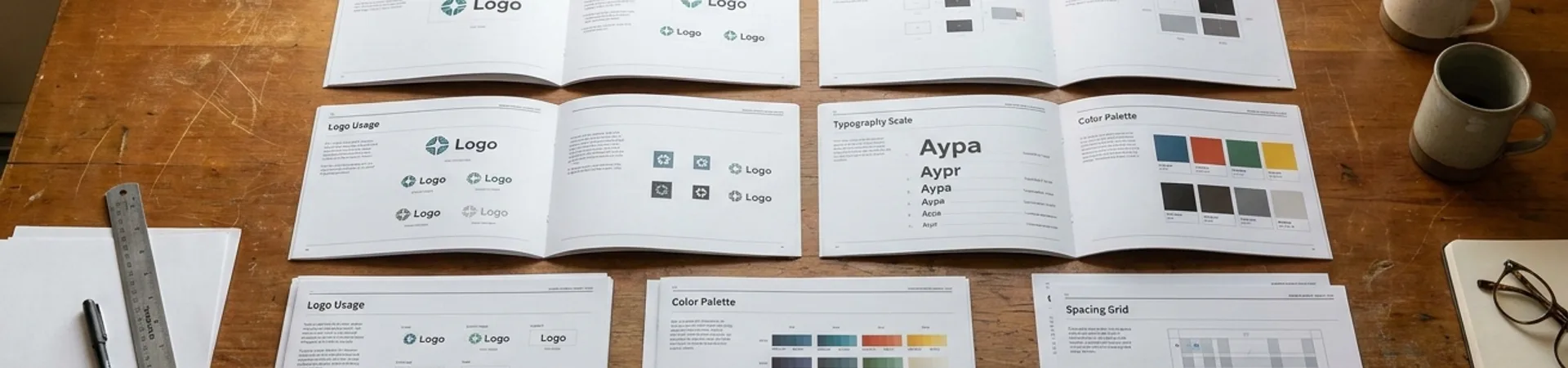
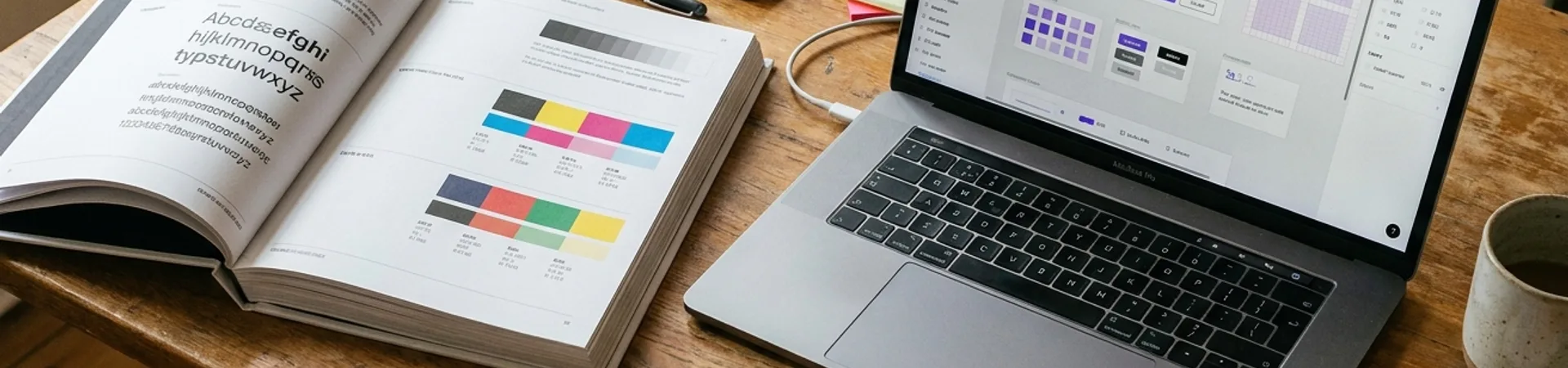
The old model of brand identity: a logo, a colour palette, a typeface, a set of rules for how they combine. A 200-page PDF that lives in a shared drive and gets ignored. The new model: a set of constraints that generates outputs. The difference is generativity.
What Makes a System Living
A living brand system has rules, not templates. Templates produce consistency by repetition. Rules produce consistency by logic. Templates break when your business changes. Rules adapt. The best brand systems today look more like code than graphic design - they define behaviour, not appearance.
Examples Worth Studying
The BBC Global Experience Language. The New York Times visual system. Spotify's design system. Each of these is not a brand book - it is a grammar. A shared vocabulary that allows any designer, in any market, to produce work that reads as consistent without following a template.
The Brief for Brand Designers
If you are designing a brand system today, the question is not 'what does this look like?' It is 'what are the rules that generate how this looks?' That is a harder brief. It requires thinking about edge cases, about scale, about how the system behaves when it encounters constraints it was not designed for. That is also why it is the most interesting brief in design right now.