For the last ten years, design journalism has announced Mexico City as an emerging design capital at roughly six-month intervals. The New York Times has published the article three times. Wallpaper has published it five times. Monocle makes a running bit of it.
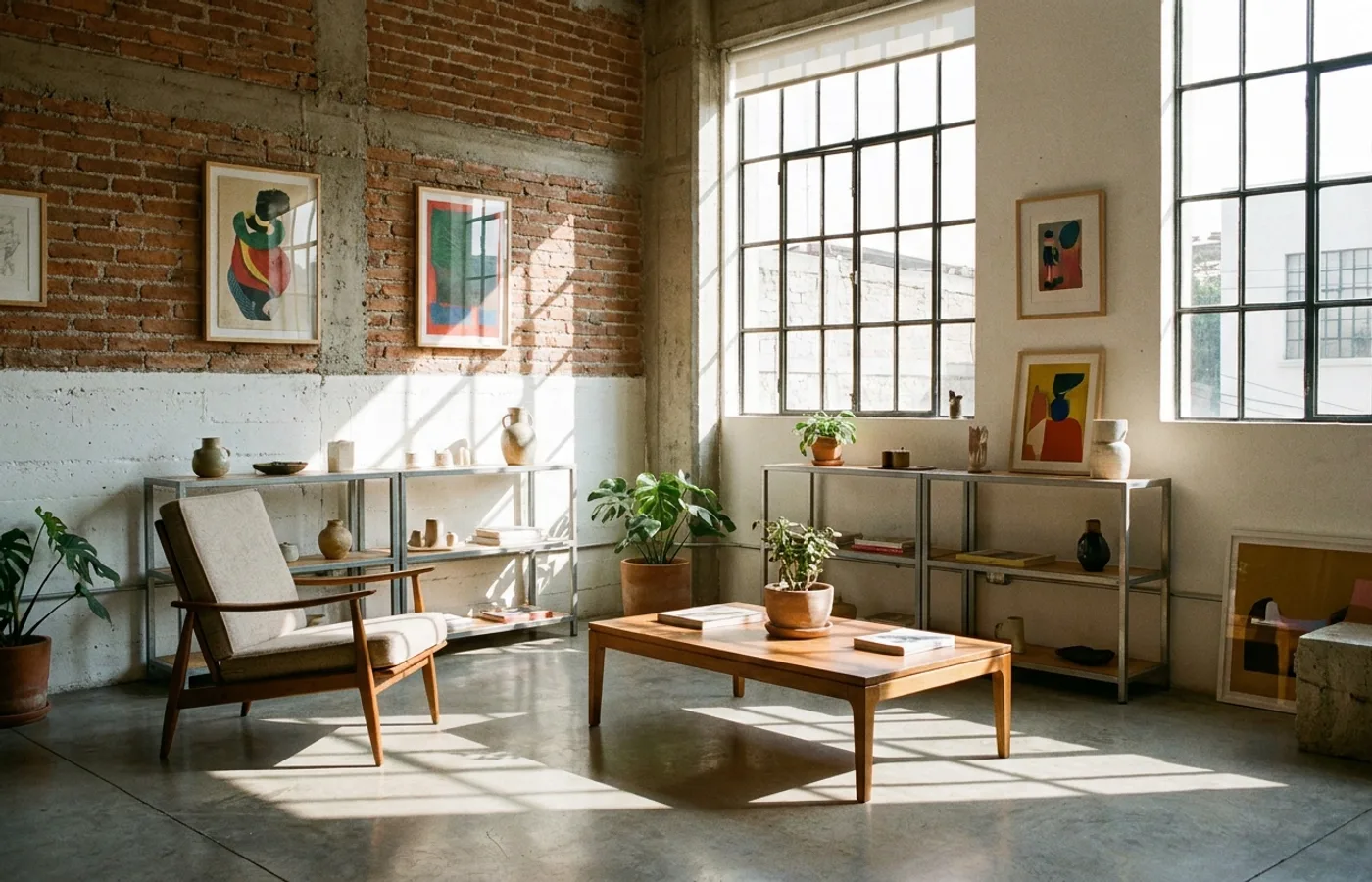
The problem is that the framing is always tourism-adjacent: the new cafés of Roma Norte, the galleries of Juárez, the furniture showrooms in Condesa. These pieces mistake design consumption for design production. Mexico City has always been consumable. The news is that it is finally productive at scale.
The Slow Accumulation
Design-capital status isn't made of galleries and concept stores. It's made of infrastructure — schools, print shops, fabricators, type foundries, photographers, art directors, editorial publications, competitive client work — and the infrastructure in Mexico City has been accumulating for a decade and a half.
Schools: CENTRO, UAM Azcapotzalco, Ibero, La Esmeralda, and the design programs at ITESM and UNAM now produce several hundred design graduates a year. A decade ago, the pipeline was a fraction of this. The graduates don't all stay, but enough do.
Type foundries: Tipografías, Latinotype, Typotheque Latin, and individual designers like Paloma López Grüninger and Cristóbal Henestrosa have built a substantive Mexican foundry scene. Mexican typefaces — not just typefaces designed in Mexico, but typefaces that feel of Mexico — are now common in major rebranding work worldwide.
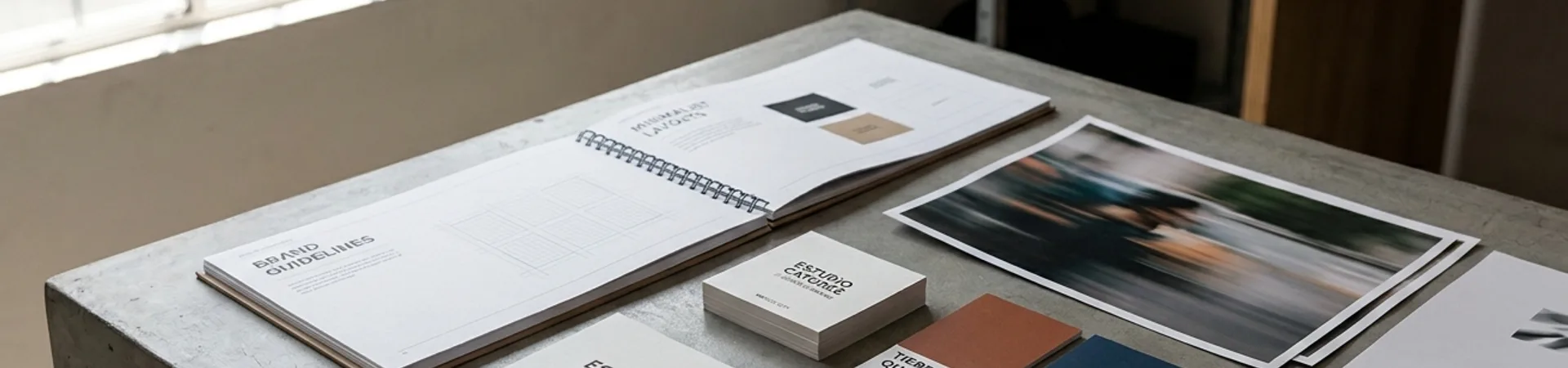
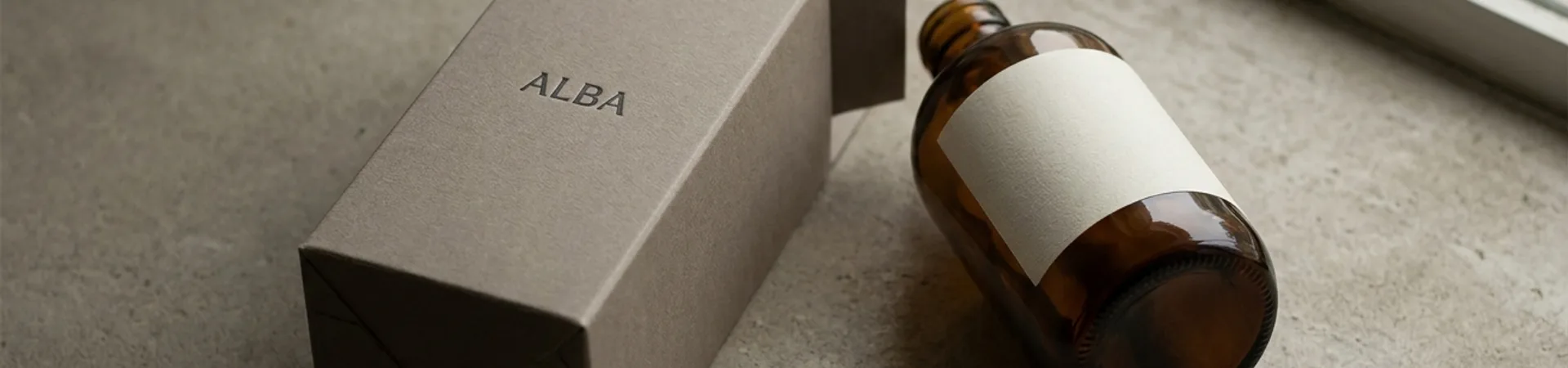
Studios at scale: Blok Design, Anagrama, FACE, Savvy Studio, Mirko Borsche's Mexico outpost, Menosunocerouno, and two dozen others have matured from boutiques into export operations. Their client rosters include New York, London, and Tokyo brands. They no longer need to explain that Mexican design exists.
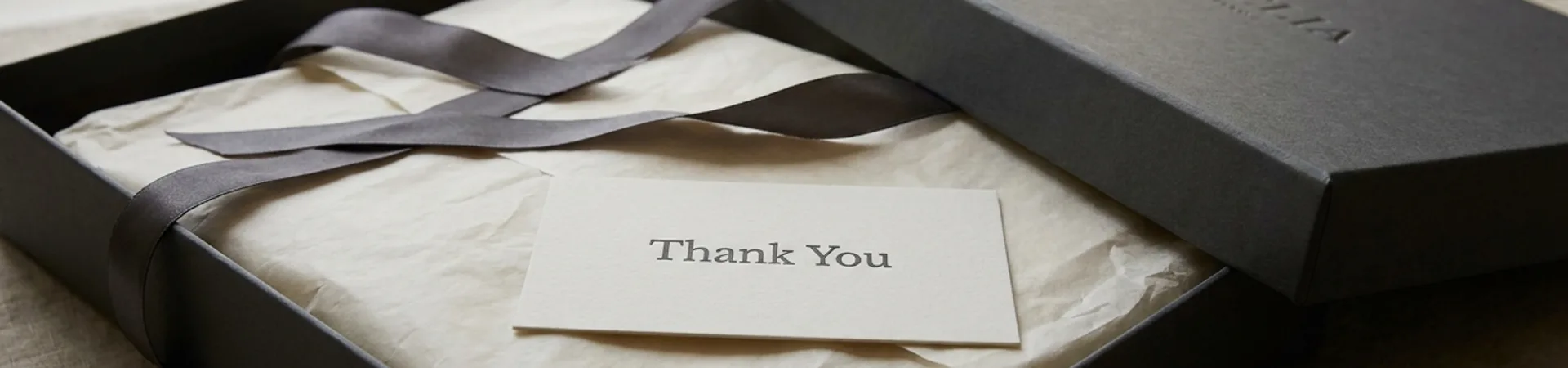
Fabrication: Print shops, metalworks, wood shops, ceramic studios, textile producers — the ecosystem that produces physical brand artifacts at quality — has matured to the point that studios no longer outsource production to the United States for premium work.
Editorial and criticism: Publications like Gato Negro Ediciones, Nexos, and the revived Artes de México have sustained a serious design discourse in Spanish. Design criticism that treats Mexican work as worthy of analysis (rather than exotic flavor) now exists.
The Threshold
None of these individually make a design capital. What happened around 2022-2024 is that they passed a threshold together. The schools produced enough talent, the foundries had enough catalogs, the studios had enough portfolios, the fabricators had enough capacity, and the editorial scene had enough depth that the ecosystem became self-sustaining.
Before that threshold, a Mexican designer's career path often still ran through New York or Madrid. You left to get serious. After the threshold, you can build a serious international career based in Mexico City without ever relocating. The work is being done here; the clients are paying international fees; the infrastructure supports quality; the language of the discourse is mature.
That's what a design capital is. Not the cafés. The loop.
Why This Time Is Different
Previous "Mexico City is happening" cycles — late-1990s conceptual art wave, mid-2000s gastronomic awakening, mid-2010s architectural boom — were real but narrow. They produced a handful of internationally recognized individuals while the ecosystem around them remained thin.
This cycle is different because it's structural. The infrastructure is broad, not centered on any one studio or personality. If you removed any three famous Mexican designers from the scene tomorrow, the ecosystem would continue producing the same category of work. The talent pipeline, the fabrication base, and the client base are now self-perpetuating.
Compare to Berlin in 2004, Copenhagen in 2012, Lisbon in 2019. Every real design capital passed a similar structural threshold before the international press noticed. Usually the press announces the capital about three years after the threshold is crossed, which is roughly where Mexico City sits today.
What To Watch
The next ten years will be dominated, for this city, by the question of what a Mexican design language means when the infrastructure exports its work globally. Not Mexican as costume — the surface tropes of papel picado, colonial palette, folk-art motifs — but Mexican as perspective: the layered historical literacy, the high-altitude quality of light, the tension between pre-Hispanic and colonial and contemporary that every native designer negotiates daily.
The early signs are visible in the recent work of Blok, FACE, and Savvy — in identity systems that treat Mexican context as a subtle structural grammar rather than a decorative motif. That's the quiet, durable kind of design capital. The one that doesn't need the Times to announce it.