A brand built on silence just opened on one of London's busiest streets.
Six Senses launched in 1995 as a barefoot-on-the-beach hospitality concept. Remote islands. Jungle canopies. Places where the nearest airport was a boat ride away. That distance was the brand. It signaled: this experience requires effort. You have to leave the world to enter ours.
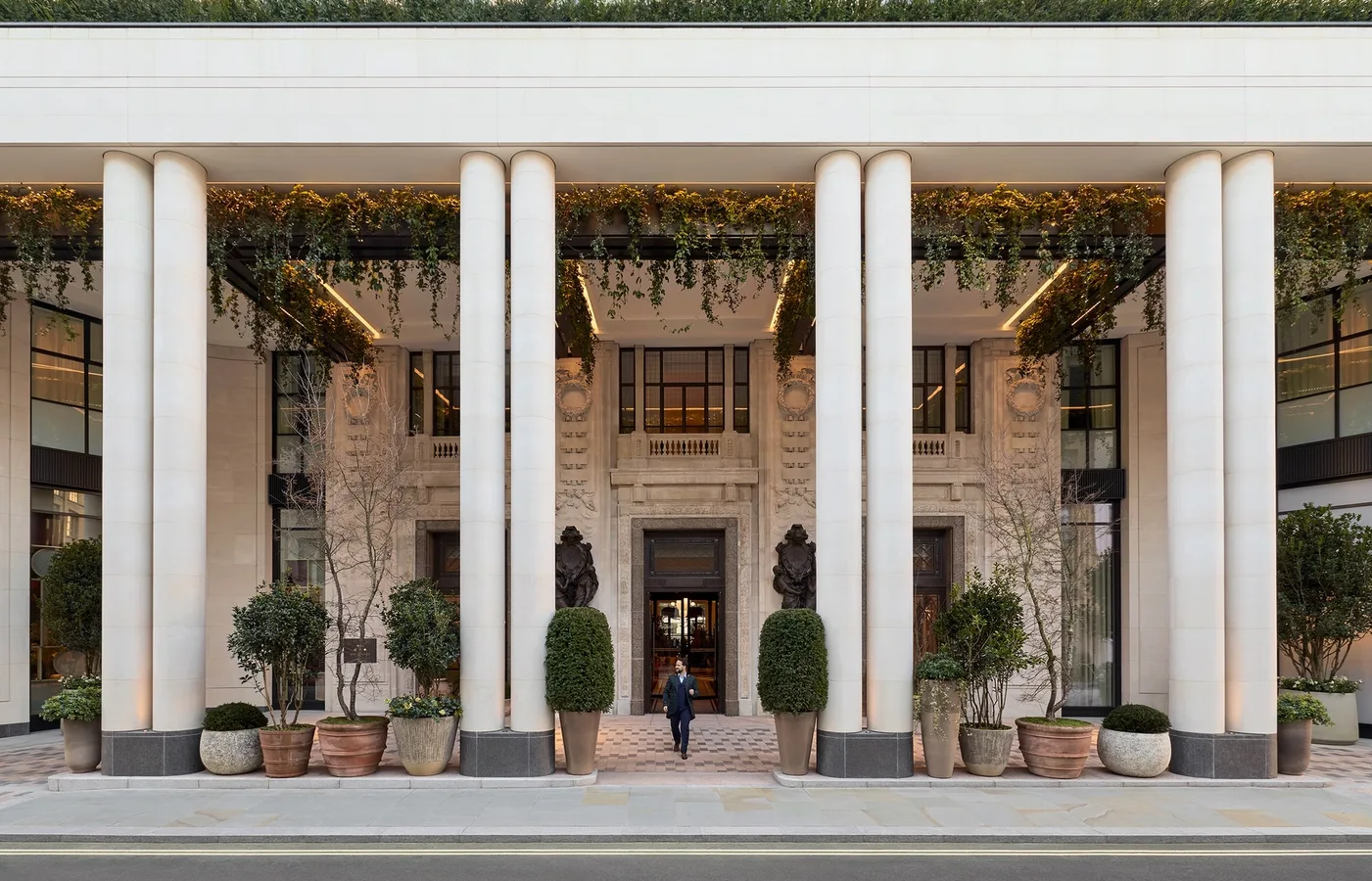
On March 1, 2026, Six Senses opened inside The Whiteley: a Grade II listed former department store in Bayswater, central London. 109 rooms. 14 branded residences. A 2,300-square-metre wellness facility with a magnesium pool, cryotherapy chambers, a longevity clinic, and a biohack recovery lounge. Plus Six Senses Place, the brand's first private members' club.
This is not an extension. It is a translation. And it is the hardest move a brand like this can make.
The Risk Nobody Talks About
Wellness brands that go urban face one specific danger: they become spas with lobbies.
The reason Six Senses worked on remote islands was scarcity. Limited access created emotional weight. When you remove the scarcity, when anyone with a Bayswater postcode can walk in, the brand has to replace what it lost. It has to manufacture the feeling of arrival through something other than geography.
Six Senses London does this through architecture. AvroKO designed interiors that reference the building's 1911 origins while creating what the brand calls "a continuous flow between movement and stillness." The spa is not a floor. It is a circulation pattern: rooms arranged so that the body moves between heat, cold, silence, and motion without choosing. The nervous system does the navigating.
This is not a design choice. It is a brand strategy embedded in floor plans.
What They Built That Others Miss
Most urban wellness hotels add a treatment menu and call it positioning. Six Senses London built three layers that hold the brand together without the beach.
Layer 1: Sensory Architecture. The interiors preserve the Art Deco bones of The Whiteley while integrating biophilic elements: light wells, natural materials, deliberate acoustic dampening. The brand's name is not decorative. In London, the six senses become a literal design brief: what does each room do to touch, sound, sight, smell, taste, and proprioception?
Layer 2: Community Infrastructure. Six Senses Place is not a loyalty program dressed as a club. It is a standalone membership concept (wellness programming, cultural events, co-working) designed to generate recurring revenue and repeat visits independent of room bookings. This is the moat. Hotels sell nights. Clubs sell belonging.
Layer 3: Sustainability as Operations. No single-use plastics. Rainwater harvesting. 1,150 square metres of green roof. An Earth Lab running workshops on repurposing and botanical prep. And 0.5% of total hotel revenue going to a Regenerative Impact Fund. This is not a marketing page. It is embedded in the P&L. When sustainability has a budget line, it is brand infrastructure, not brand language.
What to Steal
The transferable principle is not "add wellness." It is this: when you remove the original context that made your brand powerful, you must rebuild the emotional architecture from scratch.
Six Senses could not bring the ocean to Bayswater. So they rebuilt what the ocean did, created distance from the city inside the city. Every design decision, from the circulation-based spa to the acoustic materials, serves that single strategic job.
If your brand depends on a specific context (a geography, a channel, a moment), ask: what does that context actually do for the person experiencing it? Then rebuild that function, not the form.
Six Senses London is not a hotel expansion. It is a brand translation exam. And they passed it by designing for the nervous system, not the Instagram grid.