Industry Signal
Heritage Brands Racing Into Hotels: Who Wins, Who Loses
Orient Express, Cheval Blanc, and The Webster are all entering hotels. The brands with narrative depth will win.
Editorial · 2 min
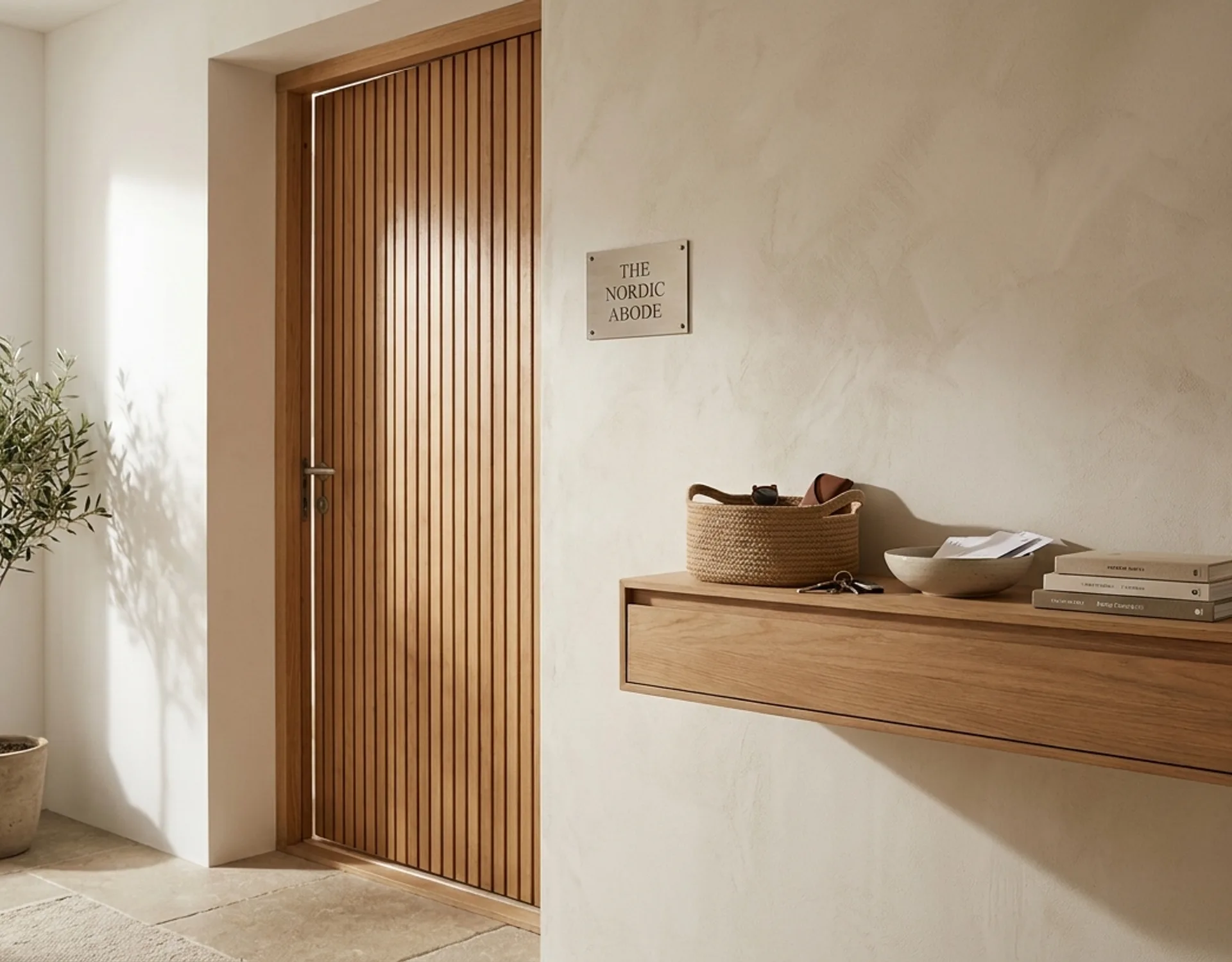
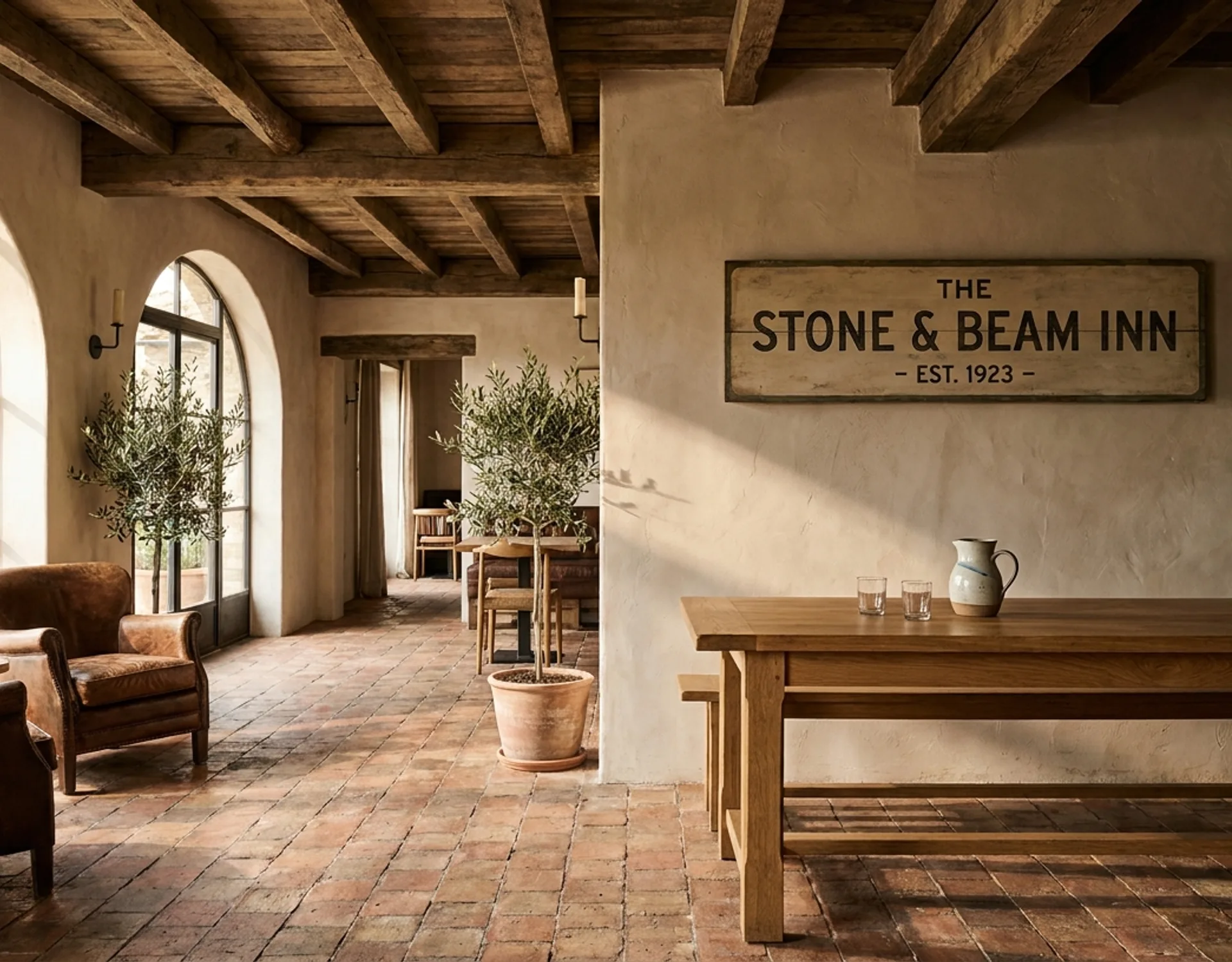
Hotel branding is identity design in four dimensions: it has to work on a key card, a lobby wall, a booking screen, and in the memory a guest takes home. Hospitality brands succeed when every touchpoint — type, signage, scent, tone of staff copy — feels authored by the same hand.
The projects here range from boutique properties whose identity is the product to hospitality groups balancing consistency against local character. Study them for how the strongest hotel brands turn operational touchpoints into brand moments.
Hotel branding is the identity system a property runs on: the name and wordmark, the typography and color that carry them, signage and wayfinding, key cards, menus, uniforms, the booking screen, and the tone of every guest-facing word. Hospitality branding is the wider discipline — the same thinking applied across hotels, resorts, members’ clubs, and restaurant groups — but the test is identical everywhere: a stay should feel authored, not operated.
That scope is what separates hotel brand identity from consumer identity work. A drinks brand is judged on a shelf; a hotel brand is judged over forty-eight hours of continuous contact, where the do-not-disturb sign gets more impressions than the logo ever will. The strongest hospitality identities treat those operational touchpoints — the things a property must print anyway — as the primary brand media, not as afterthoughts to a mark.
Across the hospitality work we have reviewed, three patterns repeat. First, one ownable register: Six Senses London extends a wellness philosophy into an urban identity without diluting it — the brand is a point of view about rest, and every asset argues it. Second, restraint at the mark and investment in the system: like the wider shift our State of Brand Design report measured, recognition in hospitality lives in type, materials, and tone far more than in symbols. Third, the identity survives the handoff to operations — if housekeeping, F&B, and the front desk can’t reproduce it daily, it was a launch deck, not a brand.
The category is also absorbing outsiders. Heritage fashion houses are opening hotels as brand extensions, members’ clubs are stretching their identities into hospitality, and wellness brands are partnering with architecture firms to build spaces their packaging always promised. Each import raises the design bar — and makes a coherent identity system, not a lobby refresh, the price of entry.
Read each case for the same three decisions: what the property chose as its load-bearing asset (type, material, color, voice), how the system behaves at operational scale (signage to key card to booking flow), and what the brand refuses to do — the restraint is usually where the strategy lives. For the method itself, our brand case study hub breaks down how we analyze identity work, and the brand guidelines examples collection shows how hospitality systems document these rules.
Hotel branding is the identity system a property runs on — name, wordmark, typography, signage and wayfinding, key cards, menus, uniforms, digital booking flow, and the tone of guest-facing copy — designed so every touchpoint of a stay feels authored by the same hand. It is judged over an entire stay, not a single impression.
We review every submission. If your work meets the standard, we will feature it.
Submit your workBeyond the logo: a typographic system that works from façade signage to menu footnotes, a color and material palette, wayfinding, collateral (key cards, amenities, stationery), staff uniforms, photography and art direction, the booking and in-room digital experience, and a verbal identity for everything from confirmation emails to do-not-disturb signs.
Hospitality branding is the umbrella discipline: identity work for hotels, resorts, members’ clubs, restaurant groups, and mixed-use spaces. Hotel branding is its most demanding case, because the brand is inhabited — guests live inside it for days, so consistency across operational touchpoints matters more than any single asset.
One ownable point of view, expressed through a system operations can actually reproduce. The best hotel brands pick a register — wellness, heritage, locality — and let typography, materials, and tone argue it at every touchpoint, rather than gambling recognition on a mark. If the identity collapses at the key card or the housekeeping card, it is a campaign, not a brand.
Specialist brand studios, usually working alongside interior architects and operators. Some hospitality groups keep identity in-house; boutique properties tend to commission independent studios. Our reviews of the best branding agencies cover several with hospitality work in their portfolios.