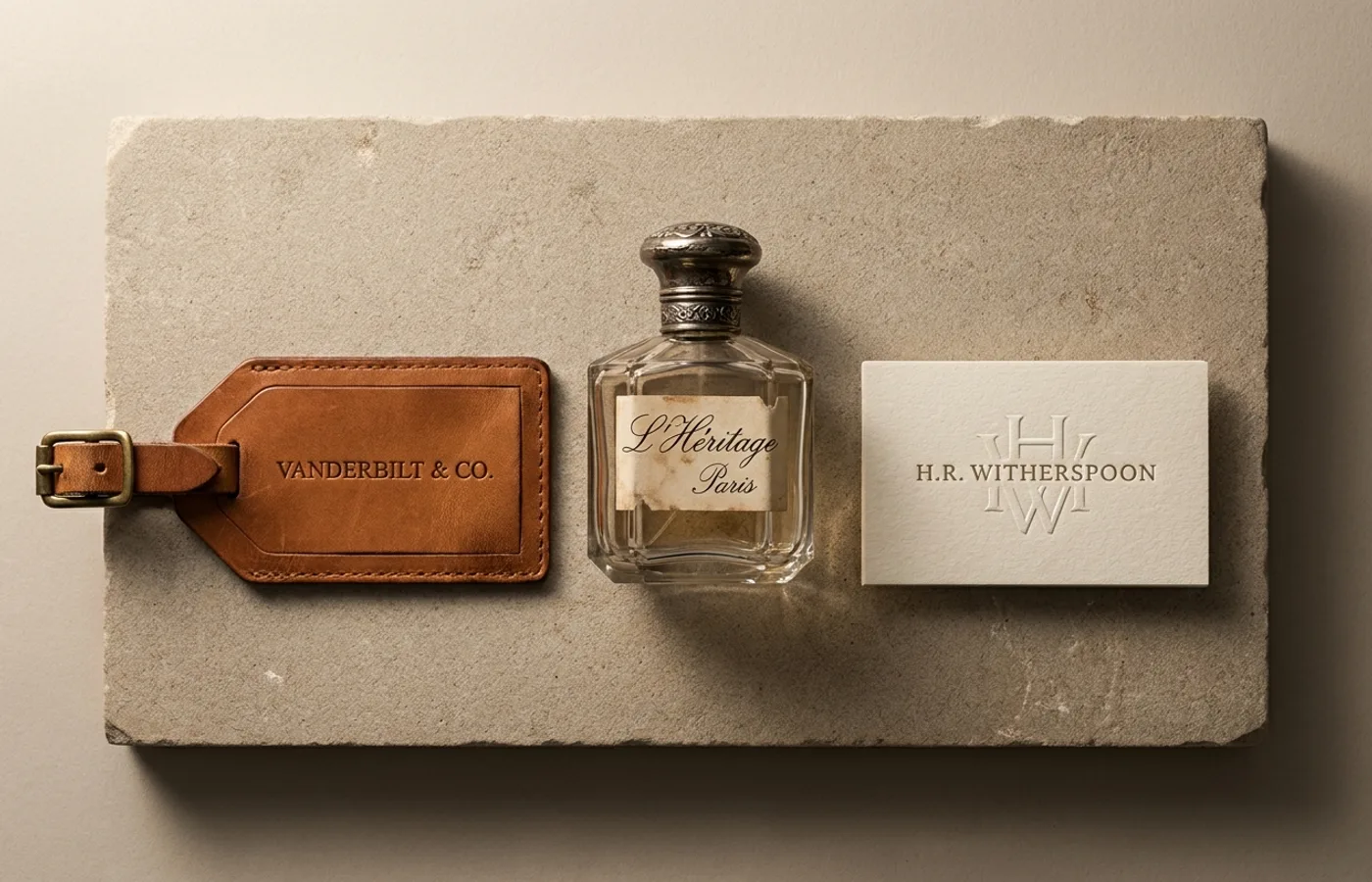
Run a simple audit. Pull the 50 most durable consumer brands in luxury, fashion, beauty, food, or DTC — the brands that have maintained both relevance and pricing power across multiple decades. Note which are named after a person and which are not.
The person-named brands dominate the list. Hermès, Chanel, Louis Vuitton, Dior, Cartier, Tiffany, Warby Parker, Glossier, Aesop (named for the Greek fabulist), Tesla (named for Nikola Tesla), Ben & Jerry's, Saint Laurent, Miu Miu, Charlotte Tilbury, Le Labo (the person is implied), Patagonia (named after a place, but it's the place the founder named himself for). The concept-named brands — names invented from whole cloth to evoke a quality or a feeling — are the minority, and they tend not to make it to the 50-year mark.
This is not a sentimental observation. It's a structural one, and the reasons are worth understanding before the next founder brainstorming session produces a made-up word with a silent letter.
Why Eponymous Names Are Structurally Stronger
Three properties give person-named brands a durability advantage that invented-word brands cannot match.
Inherent narrative. A person-named brand comes with a built-in origin story, whether or not the person actually founded the company. Every customer interaction creates the implicit question: who is Hermès? Who was Aesop? The name carries a thread to pull. Invented-word brands — Airbnb, Zillow, Lyft, Etsy — have no equivalent thread. The name is designed to be memorable, not to reward investigation. This has consequences for how deeply a customer engages with the brand's mythology.